HITS bietet regelmäßig verschiedene Veranstaltungsformate an. So findet jeden Monat unser HITS-Kolloquium statt. Wenn Sie sich für das HITS-Kolloquium registrieren möchten, nutzen Sie bitte dieses Formular: https://www.h-its.org/de/registration/
Außerdem veranstalten wir wissenschaftliche Workshops unserer Forschungsgruppen, öffentliche Vorträge und Veranstaltungen für Interessierte in Heidelberg und der Region.
Studio Villa Bosch
Schloss-Wolfsbrunnenweg 33, Heidelberg, Germany
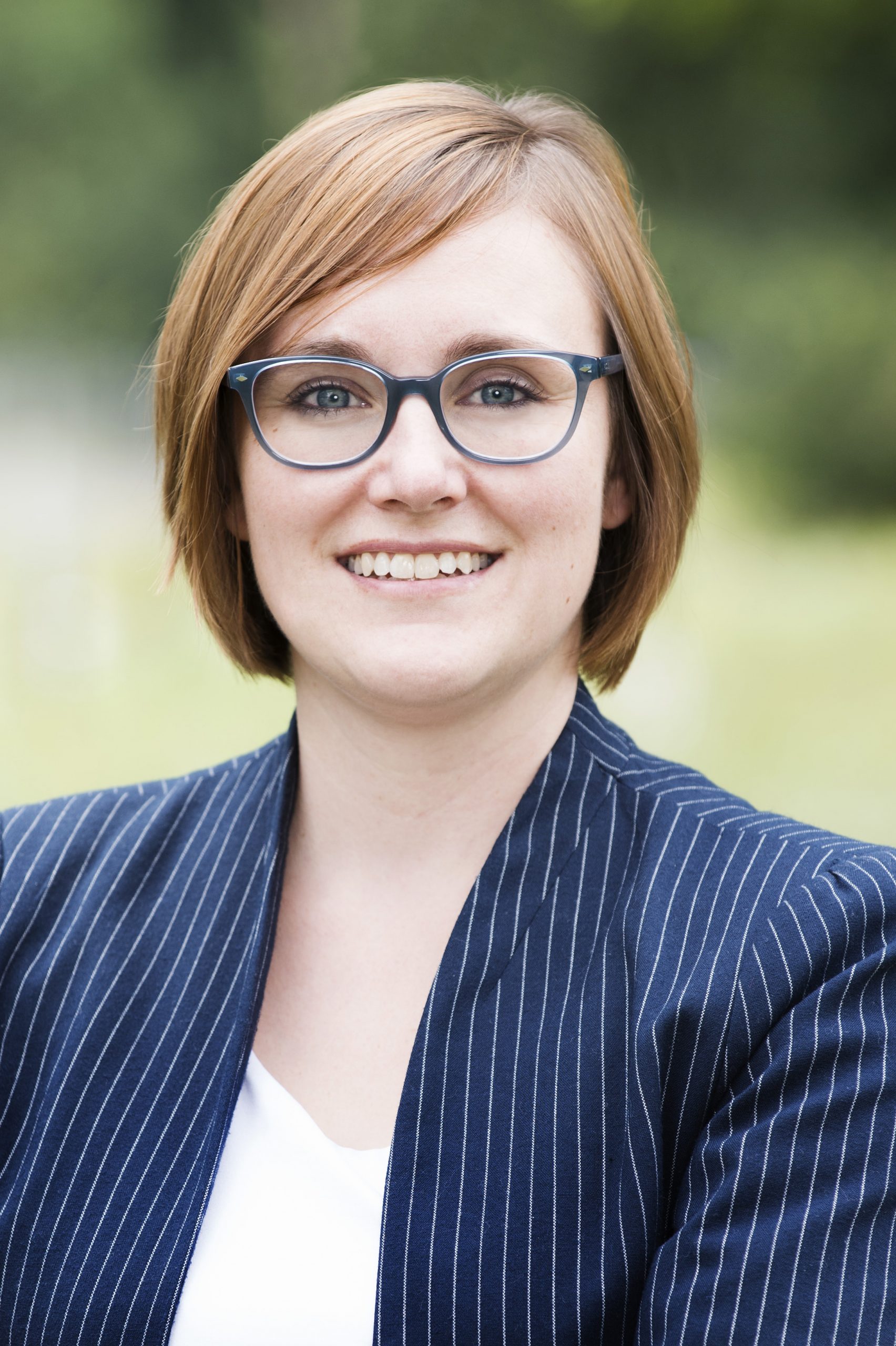
By Prof. Dr. Corinna Hoose, Institute of Meteorology and Climate Research, Karlsruhe Institute of Technology Deep convective clouds and the resulting heavy precipitation, hail, lightning and wind gusts can cause severe damage. Their forecasting with current numerical weather prediction models is a challenge, both because of limitations on spatial resolution and because of the low […]
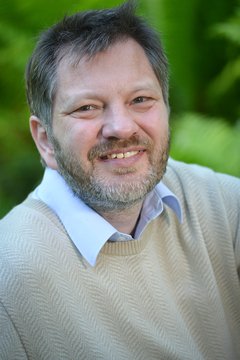
Heutige Wetterprognosen für die kommende Woche sind ungefähr so zuverlässig, wie sie es vor dreißig Jahren für den nächsten Tag waren. Die 24-Stunden-Vorhersage für die Temperatur erreicht mittlerweile eine Treffgenauigkeit von einem Grad! Wie Wettervorhersage wirklich funktioniert und welche Rolle zufällige Ereignisse dabei spielen, erläutert Professor Dr. Tillmann Gneiting in seinem Vortag am Mittwoch, den […]
Am Donnerstag, 13. Februar 2020, 19:00, startet das Heidelberger Institut für Theoretische Studien (HITS) eine Reihe mit Beiträgen aus dieser gemeinnützigen Forschungseinrichtung, in der das Labor im Computer steckt. Die Vorträge finden in der Mathematik-Informatik-Station (MAINS), Kurfürstenanlage 52, 69115 Heidelberg, unter dem Titel „#HITS – Wie Daten Wissen schaffen“ statt. Den Auftakt macht Frauke Gräter, […]
Studio Villa Bosch
Schloss-Wolfsbrunnenweg 33, Heidelberg, Germany
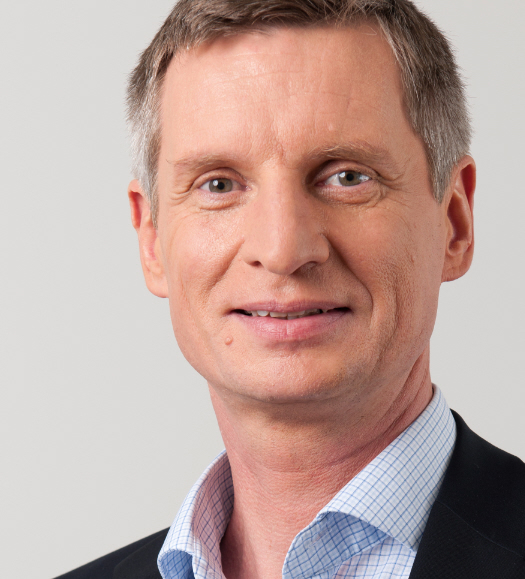
By Wolfgang Maier, Director HW Development, IBM R&D - Systems & Technology Group, Böblingen The ongoing digitization of todays world is essentially based on Shannon's theory of Information and its implementation by means of semiconductor cicuitry, which is characterized by Moore's law. The principal concept of this approach is to represent information by bits, which […]
Am 28. Februar findet am HITS ein Workshop im Rahmen der Heidelberger Zukunfts-Orientierungs-Akademie (kurz: ZOrA) statt. Die Akademie ist ein Projekt der PH Heidelberg sowie der Universität Heidelberg und wird von der Klaus Tschira Stiftung gefördert. Das HITS ist ist zusammen mit anderen lokalen Unternehmen und Institutionen wissenschaftlicher Projektpartner und beteiligt sich an verschiedenen Veranstaltungen. […]
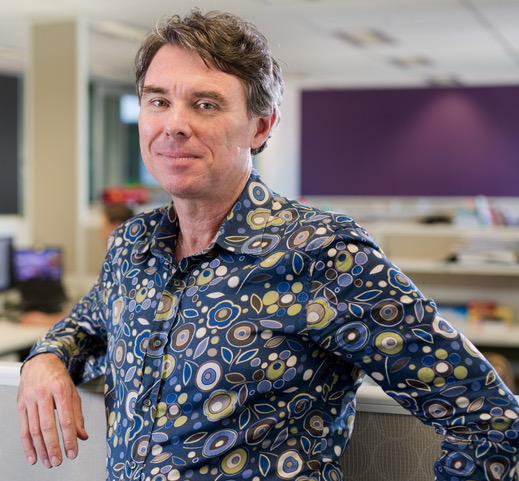
Prof. Dr. Robert C. Williamson, Australian National University, Research School of Computer Science, Australia With the rapid growth of AI and its deployment with consequences to people, ethical concerns regarding AI have become extremely topical. In this talk I will present a view somewhat contrary relative to much of the current literature. After briefly […]
Prof. Dr. Jens Meiler, Vanderbilt University, Informatics Center for Structural Biology, USA Curriculum vitae: Jens Meiler studied Chemistry Leipzig University in Germany before he obtained his PhD working in the laboratory of Christian Griesinger at the Goethe University in Frankfurt developing new computational methods for biomolecular NMR spectroscopy. In 2001 he moved to […]
Prof. Dr. Claudia Draxl, Physics Department of the Humboldt-University of Berlin, solid-state theory group Curriculum vitae: Claudia Draxl is Einstein Professor at the Humboldt-Universität zu Berlin, Germany and Max-Planck Fellow at the Max Planck Graduate Center for Quantum Materials. Her research interests cover theorectical concepts and methodology to get insight into a variety […]
By Robert Best, National Institute of Diabetes and Digestive and Kidney Diseases, Theoretical Biophysical Chemistry Section, USA Intrinsically disordered proteins are now recognized to play a variety of roles in biology, yet are challenging to characterize by experiment owing to the diverse ensemble of structures they populate. This makes molecular simulations, which can generate […]
The measure of science is citations. Whether experimental results get called significant or whether new lines of research get taken up depends on the number of citations an article receives. And it's always articles. The primary outlet of scientific research is the journal, and a journal's Impact Factor (its index for frequency of article […]